
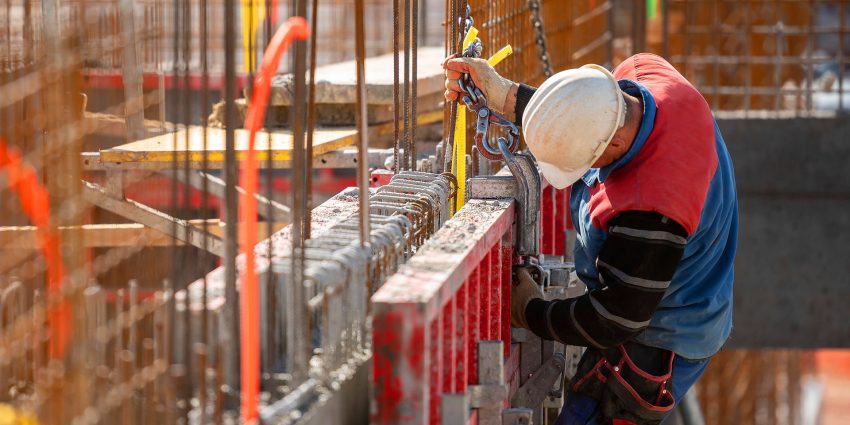
Picture this: a job site humming along, deadlines breathing down your neck, and the difference between finishing on time or blowing the budget often comes down to one thing the tools in your hand. Welcome to the world of tool construction, where craftsmanship meets engineering, and where the right gear quietly does the heavy lifting behind every successful build.
Whether you’re a seasoned contractor, a weekend renovator, or someone just starting to build out a workshop, understanding how construction tools are designed, selected, and used can completely shift the way you approach every project.
What Is Tool Construction?
Tool construction refers to the design, materials, and engineering behind hand and power tools used in building trades. It covers everything from forged steel heads and ergonomic grips to precision-machined components that determine a tool’s durability, accuracy, and safety on the job site.
Why Tool Construction Quality Matters More Than You Think
Anyone who has snapped a cheap wrench mid-torque knows the feeling. That sinking realization that saving twenty bucks just cost you an hour, a knuckle, and possibly the entire afternoon. Quality construction isn’t just a luxury, it’s the foundation of safe, repeatable work.
Here’s what separates a well-built tool from a throwaway:
- Material grade Chrome vanadium steel, titanium alloys, and hardened carbon variants each have their place.
- Heat treatment Proper tempering prevents brittle failure under stress.
- Tolerance precision Tight machining means tools that fit fasteners without rounding them off.
- Grip ergonomics Reduces hand fatigue and improves long-term productivity.
The Core Categories of Construction Tools
Not all tools are created with the same purpose in mind. Breaking them down into clear categories helps you build a kit that actually matches the work you do.
🔨 Hand Tools
Hammers, chisels, pry bars, screwdrivers, and wrenches. The unsung heroes that show up first and leave last.
⚡ Power Tools
Drills, saws, grinders, and impact drivers. Where electricity or air pressure multiplies your output exponentially.
📐 Measuring & Layout
Tape measures, levels, squares, and laser tools. Precision starts before the first cut.
🛡️ Safety Equipment
Hard hats, gloves, eye protection, and harnesses. The tools that bring you home in one piece.
Materials That Define Modern Tool Construction
Walk into any tool aisle and you’ll see buzzwords stamped across packaging. Drop forged. CNC machined. Heat treated. They sound impressive, but what do they actually mean?
Steel Alloys and Their Role
Most quality hand tools rely on alloy steel for one reason: balance. You need hardness so the tool holds an edge or shape, but enough toughness so it doesn’t shatter when you swing it hard. Chromium, vanadium, and molybdenum each play a part in tuning that balance.
Composites and Polymers
Handles have come a long way. Fiberglass cores, overmolded rubber, and shock-absorbing polymer composites now handle vibration better than wood ever could. Your wrists will thank you after a long shift.
Building a Workspace That Works Back
Owning great tools is only half the equation. How you organize them shapes your speed, your safety, and frankly your sanity. Seasoned pros know that a tidy bench isn’t about looking pretty, it’s about shaving seconds off every repeated motion. If you want to see the subtle habits that distinguish the best in the trade, this breakdown of an efficient workspace covers the small moves that compound into massive time savings.
Choosing Tools: A Practical Buying Framework
Before you drop another paycheck at the supply house, run through this checklist. It’s saved me more money than I care to admit.
- Frequency of use Daily drivers deserve premium investment. Occasional tools can stay mid-tier.
- Job demand Heavy industrial work needs heavier construction than light residential tasks.
- Warranty Lifetime warranties signal manufacturer confidence.
- Replacement parts Can you swap a worn jaw or blade, or is it landfill bound?
- Compatibility Battery platforms, bit standards, and accessory ecosystems matter long term.
💡 Pro Tip: Buy your most-used tool first and buy it once. A premium framing hammer or impact driver pays for itself in months when you’re swinging or driving thousands of times a week.
Common Mistakes in Tool Construction Choices
I’ve watched plenty of new tradespeople fall into the same traps. Avoid these and you’ll be ahead of half the crew:
- Buying based on color or brand loyalty rather than actual specs.
- Ignoring weight balance A tool that feels good in the store may exhaust you on hour eight.
- Skipping calibration Especially on torque wrenches and measuring tools.
- Neglecting maintenance Even the best construction degrades without care.
The Future of Tool Construction
Smart tools are no longer science fiction. Bluetooth-enabled torque wrenches, brushless motors that self-diagnose, and laser systems that project full layouts onto a subfloor are reshaping job sites. Materials science is also pushing forward, with graphene-reinforced composites and lighter alloy substitutions on the horizon.
What does that mean for you? Tools are becoming lighter, smarter, and more durable simultaneously. The trade-off between strength and weight is shrinking every year.
Frequently Asked Questions
What is the most important factor in tool construction?
Material quality and heat treatment top the list. Even the best ergonomic design fails if the underlying steel can’t handle stress without bending, chipping, or shattering.
How long should quality construction tools last?
Hand tools from reputable manufacturers often outlive their owners when properly maintained. Power tools typically deliver 8 to 15 years of professional use, depending on duty cycle and care.
Are expensive tools really worth it?
For tools you use daily, absolutely. The cost per use plummets, downtime decreases, and accuracy improves. For occasional projects, mid-range tools often deliver the better value.
What’s the difference between drop forged and cast tools?
Drop forged tools are shaped by hammering heated steel under massive pressure, aligning the grain structure for superior strength. Cast tools are poured into molds and tend to be more brittle, making them suitable mainly for light-duty applications.
How do I maintain my construction tools?
Wipe metal surfaces clean after use, apply light oil to prevent rust, store in dry conditions, and inspect handles and moving parts regularly. For power tools, blow out dust, check brushes, and keep batteries at proper charge levels.
Final Thoughts
Tool construction isn’t just a technical detail buried in a spec sheet, it’s the silent partner in every project you take on. Understanding what makes a tool well-built, choosing the right ones for the work in front of you, and treating them with the respect they deserve will pay dividends across your entire career.
Start with quality, build smart habits around organization and maintenance, and the tools will hold up their end of the bargain. Now get out there and build something worth being proud of.