
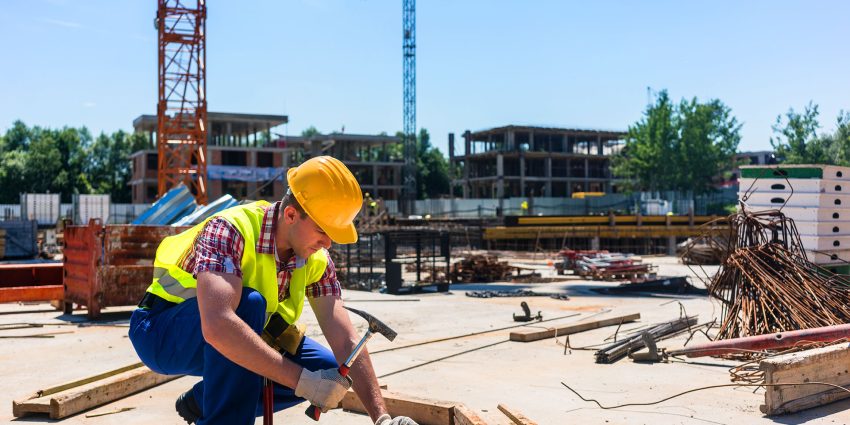
Ever stood on a job site wondering why the crew next to you finishes twice as fast with half the visible effort? It usually isn’t luck or magic. It’s the right tools for construction paired with people who know how to use them well. Whether you’re a seasoned contractor or just starting to build out your first toolkit, choosing the wrong equipment costs you time, money, and sometimes your sanity.
What Are the Best Tools for Construction?
The best tools for construction include a reliable power drill, circular saw, tape measure, level, hammer, and safety gear. These core essentials cover cutting, measuring, fastening, and protection across almost every job site task. Quality construction and durable materials matter more than brand names when choosing gear that lasts.
Why the Right Tools Matter More Than You Think
A lot of people assume tools are just tools. Grab whatever’s cheapest, get the job done, move on. That mindset works fine until a poorly built drill dies mid-project or a flimsy level throws off an entire wall.
Construction work punishes shortcuts. The gear you choose directly affects your speed, your safety, and the quality of your final product. Investing in properly built equipment isn’t about showing off, it’s about protecting your time and your reputation.
If you want to understand what actually separates a tool that lasts from one that fails after a few uses, it helps to look at how professionals evaluate build quality before they ever buy. Learning the tool construction secrets that separate pros from amateurs gives you a real edge when you’re standing in the aisle trying to decide between two nearly identical products.
Essential Categories Every Job Site Needs
Not every project calls for the same gear, but a few categories show up on nearly every site, residential or commercial. Here’s a breakdown of what typically matters most.
Measuring and Layout Tools
- Tape measures for quick, everyday measurements
- Laser levels for precise horizontal and vertical alignment
- Chalk lines for marking long, straight cuts or layouts
- Squares for confirming right angles before cutting
Cutting and Shaping Tools
- Circular saws for fast, straight cuts on lumber and sheet materials
- Reciprocating saws for demolition and awkward-angle cuts
- Utility knives for trimming, scoring, and quick fixes
Fastening and Assembly Tools
- Cordless drills for drilling and driving screws efficiently
- Impact drivers for high-torque fastening jobs
- Hammers for framing, demolition, and general use
Safety and Protective Gear
- Hard hats to protect against falling debris
- Safety glasses for eye protection during cutting or grinding
- Work gloves built for grip and abrasion resistance
How to Choose Equipment That Actually Holds Up
Anyone can list tools. The harder part is knowing how to judge whether a specific product will survive real conditions: dust, drops, moisture, and daily wear.
Here’s what experienced builders actually check before buying:
- Material quality. Metal housings and reinforced plastics tend to outlast cheaper composite shells.
- Grip and ergonomics. A tool that’s uncomfortable to hold for long stretches slows you down and increases fatigue-related mistakes.
- Weight balance. Poorly balanced tools strain your wrists and shoulders over time.
- Manufacturer reputation. Companies with a long track record in trade tools usually have more refined engineering behind their products.
- Warranty coverage. A solid warranty often signals confidence in the product’s durability.
Common Mistakes People Make When Building a Toolkit
Even experienced tradespeople fall into a few predictable traps. Avoiding these can save you from wasted purchases and unnecessary frustration.
- Buying based on appearance instead of build quality
- Skipping safety gear to save a few dollars
- Ignoring maintenance until a tool fails unexpectedly
- Overbuying specialty tools rarely used on typical projects
- Underestimating how much daily wear affects long-term performance
Maintenance Tips That Extend Tool Lifespan
Good tools last longer when they’re treated well. A few simple habits go a long way toward protecting your investment.
Clean equipment after each use to prevent dust buildup, especially with saws and drills. Store items in a dry, temperature-controlled space to avoid rust or battery degradation. Regularly check moving parts, blades, and batteries for early signs of wear so small issues don’t turn into costly replacements.
Final Thoughts
Choosing the right tools for construction isn’t about grabbing the flashiest option on the shelf. It’s about understanding what your projects actually demand, then selecting gear built to meet that standard reliably. From measuring tools to safety gear, every piece plays a role in how smoothly and safely your work gets done.
When you combine smart tool selection with proper maintenance and a real understanding of build quality, you set yourself up for fewer breakdowns, safer job sites, and better results overall. The right toolkit isn’t just equipment, it’s the foundation of your craft.
Frequently Asked Questions
What tools should every beginner in construction own?
A cordless drill, tape measure, hammer, level, and basic safety gear cover most entry-level tasks and form a strong foundation for future additions.
How often should construction tools be replaced?
It depends on usage, but most hand tools last years with proper care, while power tools may need replacement every few years depending on frequency of use and maintenance.
Are cordless tools reliable for heavy-duty construction work?
Modern cordless tools have improved significantly and now handle most heavy-duty tasks well, though some professionals still prefer corded options for continuous, high-demand jobs.
What’s the biggest factor in tool durability?
Material quality and internal construction matter most. Tools built with reinforced housings and quality components consistently outperform cheaper alternatives under repeated stress.
Do I need different tools for residential versus commercial construction?
Some overlap exists, but commercial projects often require heavier-duty, higher-capacity equipment designed for prolonged, intensive use compared to typical residential jobs.