
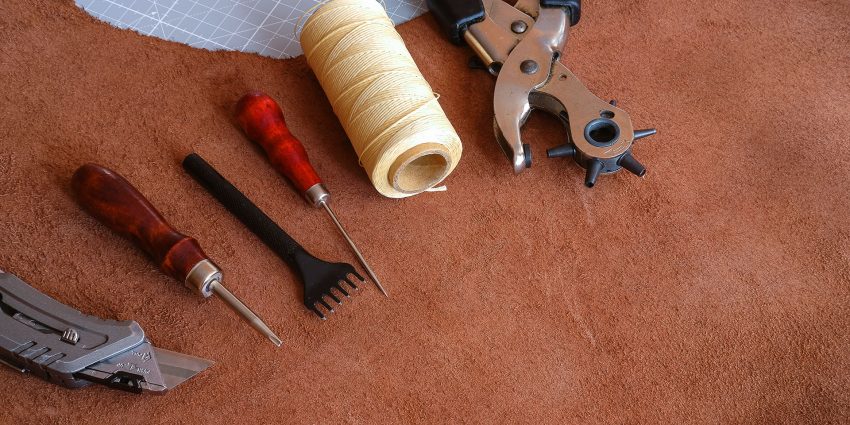
Ever tried punching a clean hole through vegetable-tanned leather with a kitchen scissors or a nail? It ends messy, jagged, and honestly a little embarrassing if you’re trying to make something that lasts. Whether you’re stitching a wallet, adding rivets to a belt, or setting snaps on a bag, the right leather punching tool is the difference between a professional finish and a project you hide in a drawer.
What Is a Leather Punching Tool?
A leather punching tool is a handheld or machine-operated device used to cut clean, round (or shaped) holes through leather. It’s essential for stitching, rivets, snaps, buckles, and lacing. Common types include rotary punches, hollow punches, and strap-end punches, each suited to different thicknesses and hole sizes.
Why the Right Punch Matters More Than You Think
Leatherwork is unforgiving. A ragged hole doesn’t just look bad, it weakens the material around it, causes uneven stitching, and can lead to tears down the line. A quality punch gives you a clean cut in a single motion, which keeps the leather fibers intact and your finished piece structurally sound.
It’s also about consistency. If you’re punching a row of stitch holes or evenly spaced rivet points, a reliable tool ensures every hole matches the last one in size and shape.
Types of Leather Punching Tools
Not all punches are built the same, and picking the wrong one is a common beginner mistake. Here’s a rundown of the main categories you’ll come across.
1. Rotary Hole Punch
This is the classic pliers-style tool with a revolving head that holds multiple punch sizes. It’s compact, affordable, and perfect for thinner leathers used in wallets, small bags, and straps.
- Great for beginners and hobbyists
- Limited by hand strength on thicker hides
- Usually offers 6 hole sizes on one wheel
2. Hollow Punches
These are individual metal tubes struck with a mallet to cut through leather. They’re the go-to choice for thicker material, like belts, holsters, and tool sheaths, where a rotary punch simply won’t have enough force.
- Available in a wide range of diameters
- Require a mallet and a cutting surface (like a poly board)
- Deliver a cleaner cut on heavy-weight leather
3. Strap End Punches
Used to round off the ends of belts and straps in one strike, these punches give a polished, retail-quality finish without needing scissors or a knife.
4. Oblong and Slot Punches
These create rectangular or oval openings, commonly used for buckle attachments or adjustable strap holes.
How to Choose the Right Leather Punching Tool
Picking a punch isn’t just about grabbing whatever’s on sale. A few practical questions can steer you to the right choice:
- How thick is your leather? Thin leather works fine with a rotary punch. Anything over 4-5 oz usually needs a hollow punch and mallet.
- What’s the hole for? Stitching holes are typically small (1-2mm), while rivets and snaps need larger, precise diameters.
- How often will you use it? Occasional crafters can get away with a basic punch set. Frequent or professional use calls for hardened steel tools that hold an edge.
Quality matters more than most people expect. Cheaper punches dull fast and start tearing rather than cutting, which ruins expensive leather in seconds. This is exactly why serious leatherworkers tend to invest in tools built to last, and it’s worth reading about CS Osborne tools if you want an idea of what durability actually looks like in practice.
Step-by-Step: How to Punch Leather Cleanly
- Mark your spot. Use a stitching wheel, awl, or ruler to mark exactly where the hole should go.
- Place leather on a cutting surface. A poly cutting board or self-healing mat protects both your tool and your table.
- Position the punch upright. Keep it perpendicular to the leather for a symmetrical hole.
- Strike firmly (for hollow punches). One confident hit is cleaner than several weak taps.
- Clear the slug. Remove the little leather disc left inside the punch before your next hole.
Common Mistakes to Avoid
Even experienced crafters slip up occasionally. Watch out for these frequent errors:
- Punching on a hard surface like glass or metal, which dulls the blade fast
- Using a dull punch and forcing it through, which tears fibers instead of cutting them
- Rushing the strike, leading to angled or oval holes instead of round ones
- Skipping maintenance, since punches need occasional sharpening and oiling to perform well
Maintaining Your Punch for Long-Term Use
A good punch, especially one made from hardened steel, can last for years or even decades with basic care. Wipe it down after use, store it away from moisture, and periodically strop or hone the cutting edge to keep it sharp. Neglecting maintenance is the fastest way to turn a premium tool into scrap metal.
Final Thoughts
A dependable leather punching tool isn’t just another item in your workbench drawer, it’s one of the pieces that determines whether your finished project looks handmade in a good way or handmade in a rough way. Choosing the right type for your leather thickness, using proper technique, and maintaining the tool over time will save you money, frustration, and a lot of ruined material. Invest once in quality, and your punch will likely outlast several projects to come.
FAQ: Leather Punching Tools
What size hole punch is best for stitching leather?
Most stitching holes range between 1mm and 2mm, depending on your thread thickness and the look you’re going for.
Can I use a rotary punch on thick leather?
Rotary punches struggle with anything over 4-5 oz. For thicker hides, a hollow punch and mallet will give you a much cleaner result.
Do leather punches need sharpening?
Yes. Like any cutting tool, punches dull with repeated use. Periodic sharpening keeps holes clean instead of ragged.
What’s the difference between a punch and an awl?
A punch removes a small circle of material to create an open hole, while an awl simply pierces and spreads the fibers without removing material.
Is it worth buying a professional-grade leather punch?
If you work with leather regularly, yes. Professional-grade tools hold their edge longer, cut more precisely, and typically last for years with proper care.