
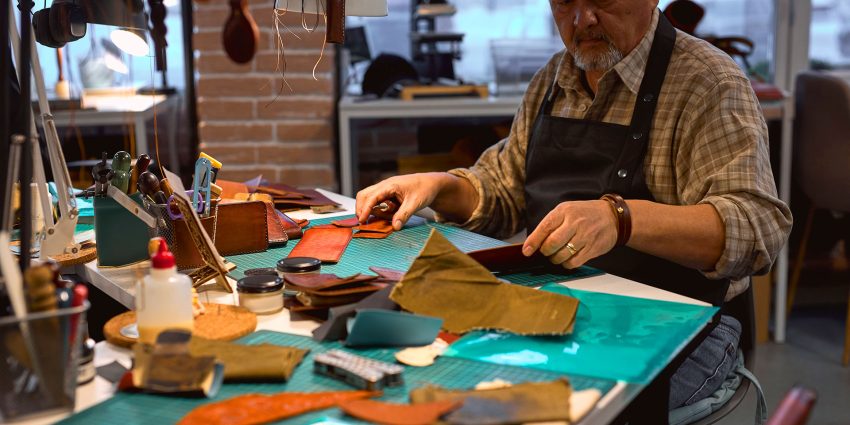
Ever tried punching a hole through canvas, leather, or heavy-duty fabric only to watch the edges fray apart within a week? That’s the exact problem metal grommets were engineered to solve. These small circular fittings might seem like an afterthought in your project, but they’re often the difference between something that lasts a decade and something that falls apart after a few uses.
Whether you’re working on tarps, banners, leather goods, or industrial textiles, understanding grommets properly can save you time, money, and a lot of frustration.
What Are Metal Grommets Used For?
Metal grommets reinforce holes punched into fabric, leather, vinyl, or paper to prevent tearing and add durability. They’re commonly used in banners, tarps, curtains, sails, and leather accessories. A grommet distributes stress evenly around a hole, allowing rope, hooks, or cords to pass through without ripping the material.
Why Metal Grommets Matter More Than You Think
People often treat grommets as a minor detail, but they play a structural role. Without them, any hole in fabric or leather becomes a weak point. Wind, weight, or repeated pulling will eventually tear that spot wide open.
Metal grommets act like tiny armor rings. They wrap around the raw edge of a punched hole and lock it in place, spreading tension across the metal instead of the surrounding material. This is why you see them on:
- Outdoor tarps and awnings exposed to wind
- Boat sails and marine covers
- Leather belts, bags, and tool holsters
- Curtains and event banners
- Industrial mesh and shade cloth
Skip the grommet, and you’re basically betting that the fabric alone can handle repeated stress. It usually can’t.
Common Materials Used for Metal Grommets
Not all metal grommets are created equal. The material determines how well they resist rust, how much weight they can bear, and how long they’ll survive outdoors.
- Brass: Excellent corrosion resistance, popular for marine and outdoor use.
- Stainless steel: The toughest option, ideal for heavy-duty industrial applications.
- Nickel-plated steel: A budget-friendly middle ground with decent rust protection.
- Aluminum: Lightweight, good for less demanding indoor projects.
If your project will sit outside year-round, brass or stainless steel is worth the extra cost. Cheaper materials tend to corrode and stain the surrounding fabric within months.
How to Install Metal Grommets the Right Way
Installing grommets isn’t complicated, but rushing it leads to loose fittings that pop out under pressure. Here’s the general process most professionals follow:
- Mark where the hole needs to go, keeping enough margin from the fabric edge.
- Punch a clean hole slightly smaller than the grommet’s barrel.
- Insert the grommet’s front piece through the hole from the top side.
- Place the backing washer on the underside.
- Use a grommet setting tool or press to flare the barrel and lock both pieces together.
The punch itself matters just as much as the grommet. A dull or poorly sized punch creates ragged holes that weaken the material before the grommet even goes in. This is especially true for leather, where clean, precise punches make a massive difference in the final result. Many leatherworkers experience a noticeable improvement in their finished projects once they upgrade to sharper, properly sized punching tools.
Mistakes That Ruin Grommet Installations
Even experienced DIYers mess this up sometimes. Watch out for these common errors:
- Using the wrong size grommet for the fabric thickness
- Punching holes too close to the edge, which causes tearing
- Skipping the backing washer, leaving the grommet loose
- Not fully flaring the barrel, so it eventually pops out
Take your time with the setting step. A grommet that isn’t fully compressed will work loose within weeks, especially under constant tension or weather exposure.
Choosing the Right Grommet Size
Grommet sizes are usually measured by the inner diameter, ranging from tiny 3/16 inch fittings up to heavy-duty 1-inch industrial grommets. The right size depends on what’s passing through the hole.
For rope or bungee cords on tarps, a 3/8 to 1/2 inch grommet usually works well. For lightweight banners with zip ties or thin cord, smaller sizes are fine. Leather projects like belts or straps often use smaller grommets since the material itself provides more structural strength.
Metal vs Plastic Grommets: Which Should You Choose?
Plastic grommets exist, and they’re cheaper, but they’re not a like-for-like replacement. Plastic tends to crack in cold weather and degrades faster under UV exposure. Metal grommets handle temperature swings, heavy loads, and outdoor conditions far better.
That said, plastic can work fine for lightweight indoor projects where appearance matters more than durability, like craft displays or light curtains. For anything exposed to weather or physical stress, metal is the safer bet every time.
Final Thoughts
Metal grommets are one of those small components that quietly do a lot of heavy lifting. They reinforce holes, prevent tearing, and extend the lifespan of everything from tarps to leather goods. Choosing the right material, size, and installation method makes all the difference between a project that holds up for years and one that fails within months.
Whether you’re working with canvas, vinyl, or leather, investing a little extra time into proper grommet selection and installation pays off. Combined with quality punching tools, you’ll end up with a finished product that’s built to last.
Frequently Asked Questions
Can I install metal grommets without a special tool?
You can use a hammer and a basic setting die, but a proper grommet press gives more consistent, secure results, especially for thicker materials.
How do I know what size grommet I need?
Match the grommet’s inner diameter to whatever will pass through it, whether that’s rope, hooks, or cord, while leaving a small amount of wiggle room.
Do metal grommets rust?
Untreated steel grommets can rust over time. Brass and stainless steel resist corrosion much better, making them ideal for outdoor or marine use.
What’s the difference between a grommet and an eyelet?
Eyelets are typically smaller and used for lighter materials like paper or thin fabric, while grommets are larger and built for heavier-duty applications.
Can metal grommets be used on leather?
Yes, they’re commonly used on belts, bags, and straps. Using a sharp, properly sized punch beforehand ensures a clean hole for the grommet to sit securely.