
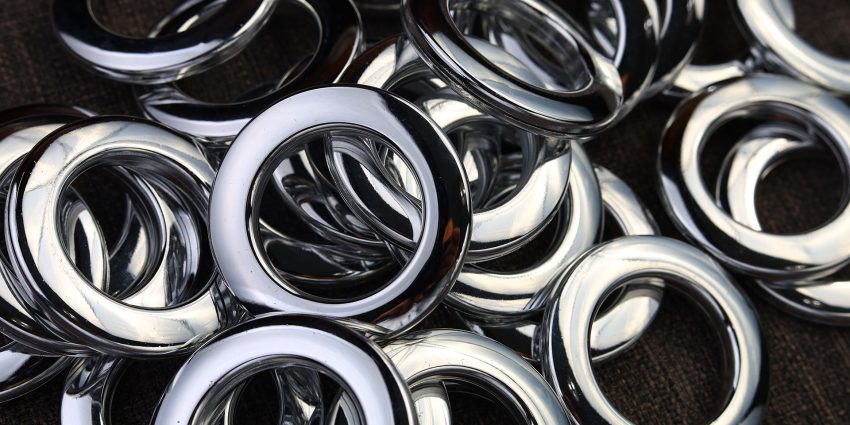
Ever ripped a beautiful piece of canvas or vinyl right where a hole was supposed to go? That sinking feeling usually means one thing: you skipped the grommet, or worse, used the wrong one. Grommets for fabric are the small metal or plastic rings that stand between a clean, professional finish and a frayed, torn mess. Whether you’re building a tarp, hanging a banner, or sewing curtains, understanding grommets can save you hours of frustration and a pile of ruined material.
What Are Grommets for Fabric Used For?
Grommets for fabric reinforce holes punched into material, preventing tearing and providing a durable point for rope, hooks, or ties to pass through. They’re commonly used in tarps, awnings, banners, curtains, and outdoor gear. The metal or plastic ring distributes stress evenly, protecting the fabric’s edges from wear, moisture, and repeated pulling.
Why Grommets Matter More Than You Think
It’s easy to dismiss grommets as a tiny, boring detail. But anyone who’s dealt with a wind-torn tarp or a banner that ripped off its stand mid-event knows better. A properly installed grommet is the difference between a project that lasts years and one that fails in a single storm.
Grommets aren’t just functional either. They add a clean, finished look to fabric edges, whether you’re making a market stall canopy or a set of custom drapes. The right grommet turns a raw, unfinished hole into something that looks intentional and sturdy.
Common Materials Used for Fabric Grommets
- Brass: Classic, corrosion-resistant, and great for outdoor use.
- Stainless Steel: Extremely durable, ideal for marine or heavy-duty industrial applications.
- Nickel-Plated: Affordable and rust-resistant, popular for tarps and banners.
- Plastic (Nylon or Acrylic): Lightweight, non-corrosive, and often used for lighter fabrics or crafts.
How Do You Choose the Right Grommet Size?
Grommet sizes are typically measured by their inner diameter, ranging anywhere from a tiny #0 (about 3/16 inch) up to large #4 or #5 (over an inch) for heavy tarps and industrial covers. The rule of thumb: thicker fabric and higher stress loads call for larger, heavier-duty grommets. Always check the weight rating too, not just the diameter.
Here’s a simple way to think about it:
- Light fabrics (curtains, costumes): Small plastic or brass grommets.
- Medium fabrics (banners, canvas bags): Standard brass or nickel-plated grommets.
- Heavy-duty fabrics (tarps, awnings, boat covers): Large stainless steel or brass grommets rated for high tension.
Installing Grommets the Right Way
Installation might look simple, but rushing it is where most DIY projects go wrong. A grommet that isn’t set correctly will pop out, bend, or tear the surrounding fabric within weeks of use.
Here’s a general step-by-step process:
- Mark your hole placement carefully, keeping enough distance from the fabric edge.
- Cut a clean hole slightly smaller than the grommet’s barrel.
- Insert the grommet’s front piece through the fabric from the top.
- Place the washer or back piece on the underside.
- Use a setting tool to compress and lock the grommet in place.
That last step is where quality tools make all the difference. Flimsy pliers or a cheap hammer-and-die kit can bend the grommet or leave it loose, which defeats the entire purpose. Professionals who work with heavy canvas and vinyl daily rely on gear built specifically for the job, which is exactly why grommet setter equipment designed for awning and tarp work has become a staple in serious workshops.
Common Mistakes to Avoid
- Placing grommets too close to the edge: This weakens the fabric and causes tearing under load.
- Using the wrong die size: A mismatched setting tool crushes the grommet instead of sealing it properly.
- Skipping reinforcement: Heavy-use fabrics often need a backing patch before the grommet goes in.
- Ignoring fabric type: Stretchy or delicate materials need different handling than stiff canvas.
Grommets in Everyday Projects
You’ll find grommets in far more places than you’d expect. Think curtain tops that slide smoothly on a rod, gym bags with drawstring closures, or heavy-duty truck tarps that need to survive highway winds. Even cosplay costumes and leather crafts use grommets for both function and style.
For crafters and small business owners, investing in a reliable grommet kit pays off quickly. It opens the door to making custom banners, reinforced bags, and outdoor gear without relying on a manufacturer or specialty shop.
Caring for Grommets Over Time
Even the best grommet installation needs occasional maintenance, especially outdoors. Salt air, moisture, and constant friction can corrode metal grommets or loosen their grip over time.
A few simple habits extend their lifespan significantly:
- Rinse outdoor fabric gear with fresh water after exposure to saltwater or heavy grime.
- Inspect grommets seasonally for rust, looseness, or bending.
- Replace damaged grommets immediately rather than continuing to use a weakened one.
- Store fabric items dry to prevent moisture buildup around the metal.
Final Thoughts
Grommets might be small, but their role in fabric durability is anything but minor. From choosing the right material and size to installing them with proper tools and technique, every step matters if you want a finished product that holds up under pressure. Whether you’re a hobbyist working on a weekend project or a professional producing awnings and tarps at scale, understanding grommets for fabric gives you the foundation to build things that actually last.
Frequently Asked Questions
What size grommet should I use for a tarp?
For most heavy-duty tarps, a #2 or #3 brass or stainless steel grommet works well. Always check the fabric weight and expected wind load before finalizing your choice.
Can I install grommets without a special tool?
Technically yes, using a hammer and basic die set, but results are inconsistent and the grommet may not seal properly. A dedicated setting tool produces cleaner, stronger results every time.
Do plastic grommets work as well as metal ones?
Plastic grommets are great for lightweight fabrics and craft projects but generally don’t hold up as well under heavy tension or prolonged outdoor exposure compared to metal options.
How far from the fabric edge should a grommet be placed?
A common guideline is at least 1 to 1.5 inches from the edge, depending on fabric thickness, to prevent tearing under stress.
Can grommets be removed and replaced?
Yes, though it usually requires cutting out the old grommet and reinforcing the fabric before installing a new one, especially if the surrounding material has worn down.