
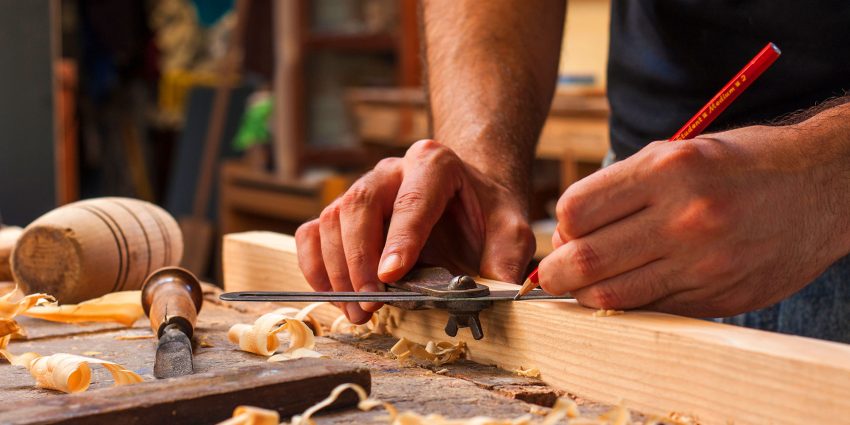
Walk into any seasoned woodworker’s shop and you’ll notice something curious: the tools resting on the bench look almost identical to the ones their grandfather used. That’s the quiet magic of carpentry. While the trade evolves, the core carpenter tools remain timeless, dependable, and deeply personal to the craftsman who wields them.
Whether you’re framing a house, building cabinets, or finally tackling that backyard pergola, knowing which tools earn a permanent spot in your kit can save you hours of frustration and a fair bit of money.
What Are the Essential Tools Every Carpenter Needs?
Every carpenter needs a claw hammer, tape measure, chisels, handsaw, combination square, utility knife, spirit level, cordless drill, circular saw, and a sturdy tool belt. These ten essentials cover measuring, cutting, fastening, and finishing tasks across nearly every carpentry project, from rough framing to fine finish work.
Hand Tools: The Backbone of Carpentry
Power tools get the glory, but hand tools do the precision work. They’re quieter, more controllable, and they don’t quit when the battery dies. A serious carpenter’s hand tool collection is built slowly and used daily.
Measuring and Marking
You can’t build what you can’t measure. The phrase “measure twice, cut once” exists because veterans learned the hard way.
- Tape measure (25-foot is the sweet spot)
- Combination square for 45 and 90 degree checks
- Speed square for rafters and quick angle marks
- Chalk line for long, straight reference lines
- Marking knife or carpenter’s pencil for crisp layout marks
Cutting Tools
A sharp blade is a safe blade. Dull tools are responsible for more shop injuries than any other single factor.
- Crosscut handsaw for clean cuts across the grain
- Rip saw for cutting along the grain
- Coping saw for curves and intricate joinery
- Wood chisels in a range from 1/4″ to 1″
- Utility knife with replaceable blades
Striking and Driving Tools
The humble hammer hasn’t changed much because it didn’t need to. A 16-ounce claw hammer handles framing nails, finishing nails, and the occasional stubborn board.
Heavier head (20-28 oz), longer handle, milled face for grip on nail heads.
Lighter (13-16 oz) with a smooth face to avoid marring trim and casing.
For chisel work, joint assembly, and tapping wood without leaving dents.
Power Tools That Earn Their Keep
The right power tools transform a weekend project into something you actually finish before the weekend ends. Start with the essentials and expand as your work demands it.
The Core Three
- Cordless drill/driver: Pre-drilling, driving screws, and a hundred other tasks. An 18V or 20V model with two batteries is the gold standard.
- Circular saw: The single most versatile power saw for breaking down sheet goods and dimensional lumber.
- Miter saw: Once you’ve cut trim with a sliding compound miter saw, going back feels primitive.
Upgrades Worth Considering
As you take on bigger jobs, certain additions start paying for themselves quickly:
- Jigsaw for curves and cutouts
- Random orbital sander for finish prep
- Router for edge profiles and joinery
- Table saw for ripping accurate, repeatable cuts
- Brad and finish nailers for trim work
Specialty Tools for Specific Trades
Carpentry overlaps with neighboring trades, and the smart craftsman keeps a few specialty items nearby. If your projects ever cross into stonework, brick, or concrete, a quick read on masonry tools will help you understand what belongs in a separate kit and what can pull double duty.
Specialty tools you may eventually want include:
- Block plane for shaving end grain and chamfering edges
- Doweling jig for hidden joinery
- Pocket hole jig for fast cabinet assembly
- Bar clamps and pipe clamps (you can never have too many)
- Stud finder for renovation work
Safety Gear Is Non-Negotiable
Nobody plans to get hurt, which is exactly why protection has to be habit, not afterthought. The carpenters with all their fingers are the ones who wore safety glasses every single time.
- ANSI-rated safety glasses
- Hearing protection (foam plugs or earmuffs)
- N95 dust mask or respirator
- Work gloves (knife-resistant for handling rough lumber)
- Steel-toe or composite-toe boots
- Knee pads for floor work
Choosing Quality Over Quantity
A common rookie mistake is buying a 200-piece tool set from a big box store and calling it done. Most of those tools are filler. You’ll use the same dozen items repeatedly, and cheap versions of those will fail you at the worst moment.
Buy fewer tools, but buy good ones. A well-made chisel, properly sharpened, will outlast three bargain bin sets. The same goes for tape measures, levels, and hand planes. Brand reputation matters less than feel, balance, and steel quality.
Caring for Your Tools
Tools that get respect give it back. A few simple habits keep them performing for decades:
- Wipe metal surfaces with a light oil to prevent rust
- Sharpen blades and chisels regularly instead of waiting until they’re useless
- Store tools dry, ideally off concrete floors
- Keep batteries at moderate charge if storing long-term
- Inspect cords, blades, and handles before each use
Frequently Asked Questions
What is the most important tool for a beginner carpenter?
A quality tape measure and a combination square are arguably the most important. Without accurate measurement and layout, even the best saw cuts produce wasted material. Master measuring first, then build your collection from there.
How much should I expect to spend on a starter carpentry kit?
A solid starter kit of hand tools and one or two cordless power tools typically runs between $400 and $800. Buying mid-range quality from the start saves money long term compared to replacing cheap tools every season.
Are corded or cordless power tools better for carpentry?
Cordless tools dominate modern carpentry because of mobility and battery improvements. Corded versions still win for heavy, sustained use like table saws and large routers where power demand is constant.
How often should I sharpen my chisels and hand planes?
Touch up the edge with a fine stone or strop after every few hours of use. A full sharpening on coarser stones is needed every few weeks of regular work, or anytime the blade visibly dulls or chips.
What’s the difference between a carpenter and a joiner?
Carpenters typically work on-site with structural and rough woodwork, while joiners build finished components like doors, windows, and cabinetry in a workshop. The tools overlap heavily, but joiners tend to lean more on precision hand tools.
Building the Kit That Builds Everything Else
The right collection of carpenter tools isn’t assembled in a weekend. It’s curated over years, shaped by the projects you take on and the lessons each job teaches. Start with the essentials, prioritize quality, treat your tools well, and they’ll repay you with decades of reliable service.
Whether you’re a weekend warrior or chasing a career in the trades, remember this: the best tool in any shop is the carpenter who knows how to use it.