
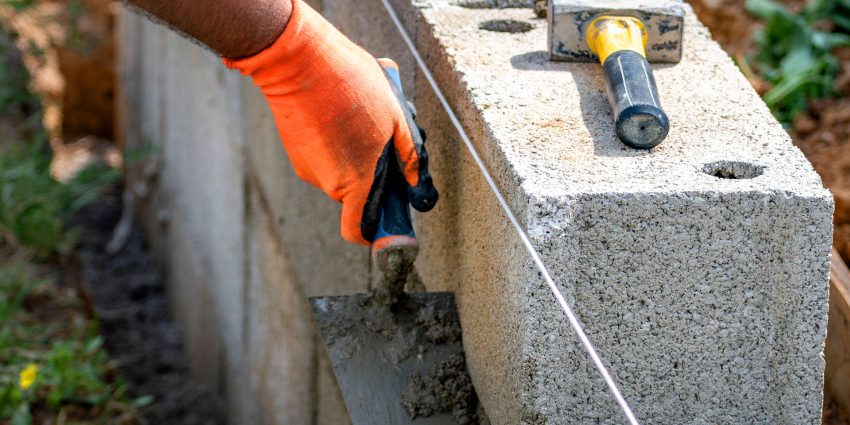
Whether you’re laying your first brick patio or you’ve been mixing mortar for decades, the right masonry tools can mean the difference between a wall that stands for a century and one that crumbles within a season. Masonry is an ancient craft, but the tools that make it possible have evolved into precision instruments designed to handle stone, brick, block, and concrete with finesse. In this guide, we’ll break down the essential masonry tools every craftsman needs, what they do, and how to choose the right ones for your next project.
What Are Masonry Tools?
Masonry tools are specialized instruments used to cut, shape, place, and finish materials like brick, stone, concrete blocks, and mortar. They range from basic hand tools used for centuries to modern power equipment that speeds up large-scale construction.
The right toolkit ensures clean joints, level courses, and structurally sound walls. Without them, even the most skilled mason would struggle to produce work that’s both beautiful and durable.
Essential Hand Tools for Masonry Work
Before reaching for power tools, every mason starts with a core set of hand tools. These are the workhorses of the trade, and mastering them is the foundation of quality masonry.
1. Masonry Trowel
The trowel is arguably the most iconic masonry tool. It’s used for scooping, spreading, and shaping mortar. Trowels come in several styles:
- Brick trowel: Large, diamond-shaped blade for spreading mortar on bricks.
- Pointing trowel: Small and narrow for detail work and repairs.
- Margin trowel: Rectangular blade ideal for tight spaces and mixing small batches.
2. Mason’s Hammer
Also known as a brick hammer, this tool features a flat striking face on one side and a chisel-like edge on the other. It’s perfect for breaking and shaping bricks without needing a separate chisel.
3. Jointer (Jointing Tool)
A jointer creates clean, uniform mortar joints between bricks or stones. Different shapes (concave, V-shaped, flat) produce different aesthetic and structural results.
4. Mason’s Level
Longer than a standard carpenter’s level, a mason’s level ensures walls are perfectly plumb and courses run level. Most are 48 inches or longer for accuracy across large surfaces.
5. Brick Chisel and Bolster
These wide-bladed chisels are designed for splitting bricks and blocks cleanly along a scored line. Used with a heavy hammer, they produce precise cuts.
Pro Tip: Always wear safety glasses when chiseling brick or stone. Flying chips are one of the most common causes of masonry injuries.
6. Mason’s Line and Line Blocks
A taut nylon line stretched between two corner blocks gives masons a perfectly straight reference for laying each course of brick or block.
7. Square and Tape Measure
Precision starts with measurement. A reliable framing square and a 25-foot tape measure are non-negotiable for any masonry job.
Power Tools That Speed Up Masonry Projects
While hand tools handle precision work, power tools tackle the heavy lifting on larger projects. They save time, reduce fatigue, and allow for cuts that would be nearly impossible by hand.
Angle Grinder with Diamond Blade
An angle grinder fitted with a diamond masonry blade can slice through brick, stone, and concrete with ease. It’s essential for custom cuts, repairs, and removing old mortar.
Mortar Mixer
For projects beyond a few bricks, a powered mortar mixer ensures consistent batches and saves your back. Drum mixers and paddle mixers are the two main types.
Rotary Hammer Drill
When you need to drill into concrete or masonry, a rotary hammer drill with carbide bits is the only tool for the job. Standard drills simply can’t handle the density.
Wet Saw
A wet saw uses water to cool a diamond blade as it cuts through brick, stone, or tile. It produces clean, dust-free cuts ideal for finishing work and tight tolerances.
Specialty and Finishing Tools
Beyond the basics, certain specialty tools elevate masonry from functional to fine craftsmanship.
- Tuck pointers: Narrow trowels designed for repointing old mortar joints.
- Caulking trowels: Thin and flexible for filling small gaps.
- Story poles: Pre-marked rods that ensure consistent course heights across an entire wall.
- Wire brushes: Used to clean excess mortar off finished brickwork before it sets.
- Mortar hawk: A flat board with a handle that holds mortar close to your work area.
How to Choose Quality Masonry Tools
Not all masonry tools are created equal. The market is flooded with cheap imports that bend, dull, or break after a few uses. Investing in well-made tools pays dividends in performance, durability, and the quality of your finished work.
When evaluating tools, look for forged steel construction, comfortable hardwood or composite handles, and reputable brand names with long-standing reputations in the trades. While budget options seem appealing upfront, experienced masons know that premium tools often deliver greater long-term value by lasting decades and producing superior results on every job.
Key Features to Look For
- Forged vs. stamped steel: Forged tools are stronger and hold their shape longer.
- Balanced weight: A well-balanced trowel or hammer reduces wrist fatigue.
- Replaceable parts: Quality tools often allow you to replace handles or wear parts.
- Warranty: Reputable manufacturers stand behind their products.
Caring for Your Masonry Tools
Even the best tools fail without proper care. Mortar is highly corrosive and abrasive, so cleaning your tools after every use is critical.
- Clean immediately: Rinse trowels, jointers, and mixers before mortar dries.
- Dry thoroughly: Moisture leads to rust, especially on carbon steel tools.
- Oil metal surfaces: A light coat of machine oil prevents corrosion during storage.
- Sharpen edges: Chisels and brick hammers benefit from periodic sharpening.
- Store properly: Keep tools in a dry toolbox or hung on a pegboard, away from moisture.
Safety Considerations When Using Masonry Tools
Masonry work involves heavy materials, sharp edges, and dust that can cause long-term respiratory issues. Always prioritize safety with the right protective equipment.
Safety glasses or goggles guard against flying chips when cutting or chiseling.
Silica dust from cutting masonry causes serious lung disease. Use an N95 or P100 respirator.
Heavy-duty gloves prevent cuts, abrasions, and chemical burns from wet mortar.
Building Your First Masonry Toolkit
If you’re just starting out, you don’t need every tool on this list. Begin with the essentials and add specialty tools as your projects demand them.
A solid starter kit should include a quality brick trowel, a pointing trowel, a mason’s hammer, a 48-inch level, a jointer, a brick chisel, a tape measure, and a mason’s line with line blocks. With these tools and proper technique, you can tackle most residential masonry projects with confidence.
Final Thoughts
Masonry is a craft where the tools truly are an extension of the mason. From the simple trowel to the high-powered wet saw, each instrument plays a vital role in producing work that’s both functional and beautiful. By investing in quality masonry tools, maintaining them properly, and using them safely, you’ll set yourself up for success on every project, big or small. Whether you’re a professional bricklayer or a weekend DIYer, the right tools transform raw materials into structures that stand the test of time.