
Whether you’re a seasoned green thumb or a weekend warrior just discovering the joy of homegrown tomatoes, having the best garden tools at your disposal can transform back-breaking chores into satisfying, productive afternoons. The right equipment doesn’t just make gardening easier; it makes it more enjoyable, more efficient, and dramatically improves your results. But with thousands of options flooding the market, how do you separate the truly exceptional tools from the overpriced gimmicks?
In this comprehensive guide, we’ll walk you through the must-have gardening essentials, what features actually matter, and how to invest wisely so your tools last for decades, not seasons.
Why Investing in the Best Garden Tools Matters
Cheap tools fail when you need them most. That moment when your shovel handle snaps mid-dig, or your pruners crush a delicate stem instead of slicing it cleanly, those are the moments you’ll wish you’d spent a few extra dollars upfront.
Quality garden tools offer three undeniable benefits:
- Longevity: Premium tools can last 20+ years with proper care.
- Efficiency: Sharp, well-balanced tools reduce fatigue and finish jobs faster.
- Better results: Clean cuts heal faster on plants, and proper soil work yields healthier roots.
Pro Tip: A single high-quality tool will outlast and outperform three or four cheap replacements, saving you money and frustration in the long run.
The 10 Best Garden Tools Every Gardener Needs
Building a complete gardening arsenal doesn’t happen overnight, but starting with these essentials will cover 95% of your gardening tasks.
1. Hand Trowel
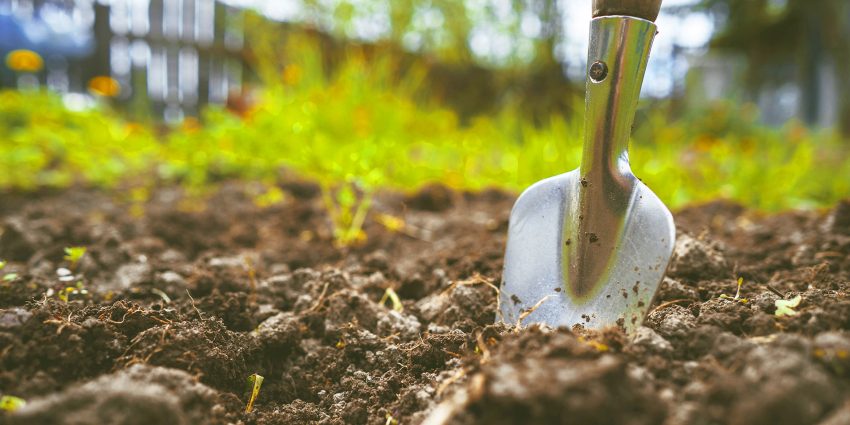
The workhorse of any garden. Look for a one-piece forged stainless steel construction with a comfortable, ergonomic handle. Cheap stamped trowels bend at the neck within a single season.
2. Bypass Pruners
For cutting live stems and branches up to ¾ inch thick, bypass pruners are non-negotiable. Brands like Felco and ARS set the standard with replaceable parts and razor-sharp blades that stay sharp.
3. Garden Spade
A square-edged spade with a sharpened blade slices through roots and edges beds with precision. Choose one with a stainless steel head and an ash or fiberglass handle for maximum durability.
4. Digging Fork
Essential for turning compost, harvesting potatoes, and breaking up compacted soil without slicing through earthworms. Solid forged tines won’t bend under pressure.
5. Hori Hori Knife
This Japanese gardening knife is the Swiss Army tool of the garden; it digs, weeds, slices roots, divides perennials, and even measures planting depth with its etched blade.
6. Long-Handled Hoe
Whether you choose a stirrup hoe, draw hoe, or collinear hoe depends on your weeding style. All three save your back and demolish weeds when the blade is kept sharp.
7. Loppers
For branches between ¾ and 2 inches thick, loppers provide the leverage your pruners can’t. Look for telescoping handles for hard-to-reach branches.
8. Garden Hose with Quality Nozzle
A kinked, leaking hose is a daily aggravation. Invest in a heavy-duty rubber hose and a brass adjustable nozzle; they outlast plastic versions by years.
9. Wheelbarrow or Garden Cart
Two-wheeled carts offer better stability for heavy loads, while traditional wheelbarrows excel at maneuvering in tight spaces. Pneumatic tires are worth every penny.
10. Quality Gloves
Leather palms with breathable backs protect against thorns, blisters, and irritants. Buy two pairs, one for dirty work, one for pruning roses and other delicate jobs.
What to Look for When Buying Garden Tools
Not all tools are created equal, even when they look identical on store shelves. Here’s what truly separates the best garden tools from the rest:
Material Quality
Look for forged carbon steel or stainless steel blades and heads. Stamped metal tools are noticeably thinner and prone to bending. Handles should be made from FSC-certified hardwood (ash, hickory) or quality fiberglass, never cheap pine.
Construction Method
Single-piece forged construction is always superior to welded joints. Where the head meets the handle, look for a solid socket or strap-and-rivet design rather than a tang simply jammed into wood.
Ergonomics
A tool that fits your hand reduces strain and prevents repetitive injuries. Test the weight, balance, and grip before buying. Tools with overly thick or slippery handles will exhaust your hands within an hour.
The Hidden Mark of True Tool Quality
Most weekend gardeners don’t realize that the same principles separating professional-grade equipment from hobbyist gear apply across every trade. The insights that professional upholsterers share about evaluating tool quality, forging methods, steel grades, handle attachment, and balance translate directly to gardening tools. Once you learn to recognize these hallmarks of craftsmanship, you’ll never look at a hardware store display the same way again.
How to Care for Your Garden Tools
Even the best garden tools will fail if you neglect them. Fortunately, maintenance takes only a few minutes:
- Clean after every use. Knock off soil and rinse if necessary. Dry thoroughly to prevent rust.
- Sharpen regularly. A 10-minute touch-up with a mill file or sharpening stone keeps blades performing like new.
- Oil metal parts. A wipe-down with linseed oil or WD-40 prevents corrosion during humid months.
- Treat wooden handles. Apply boiled linseed oil twice a year to prevent cracking and splintering.
- Store properly. Hang tools on pegboards in a dry shed or garage, never leave them outside.
Sharpening Tip: Hold your file at the same angle as the existing bevel and push (don’t pull) across the blade in smooth, consistent strokes. A sharp tool is a safe tool.
Budget vs. Premium: Where to Splurge
You don’t need to buy the most expensive option in every category. Here’s a smart spending strategy:
Splurge On
- Bypass pruners (you’ll use them daily)
- A quality spade and digging fork
- Hori Hori knife
- Long-handled tools you’ll lean on
Save On
- Plastic seedling trays
- Basic twine and plant ties
- Bamboo stakes
- Knee pads (replace as needed)
Final Thoughts on Choosing the Best Garden Tools
The best garden tools aren’t necessarily the flashiest or the most expensive; they’re the ones built with quality materials, smart engineering, and a design philosophy focused on durability. By investing in forged steel construction, ergonomic handles, and reputable brands, you’re setting yourself up for decades of productive, joyful gardening.
Start by upgrading the tools you use most often, learn to maintain them properly, and you’ll quickly discover that great gardening isn’t about working harder; it’s about working with equipment that pulls its weight. Your back, your plants, and your future harvests will thank you.