
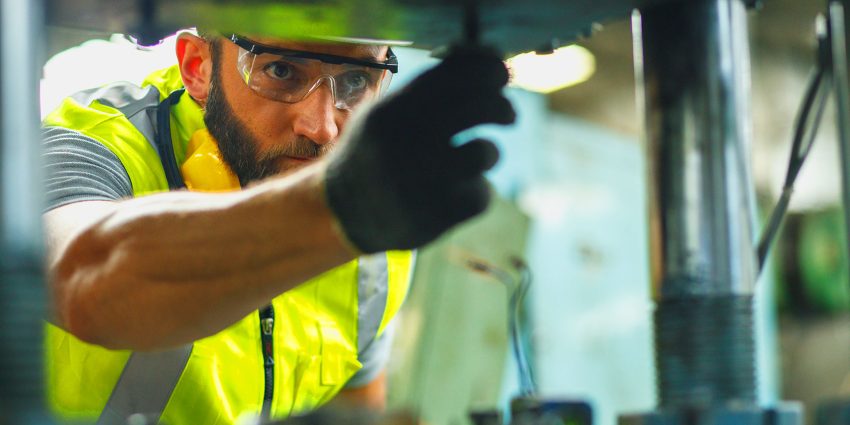
Engineers understand tools from the inside out. They know metal composition, torque limits, heat tolerance, edge geometry, and stress points. They understand how a tool should work. But craftsmen understand how a tool actually works.
They feel the difference between a tool that’s technically precise and one that’s pleasant, balanced, and cooperative. Their knowledge comes from rhythm, repetition, muscle memory, and the thousands of tiny adjustments no manual ever mentions.
This is the knowledge that engineers sometimes overlook, not because they lack expertise, but because they don’t live inside the craft.
A Tool Isn’t Just a Tool. It’s an Extension of the Hand
Engineers design tools to complete tasks. Craftsmen use tools to express skill. That difference matters.
Craftsmen notice:
- How a tool rests in the hand
- How it shifts weight mid-motion
- How the handle grip behaves under sweat or pressure
- How vibration travels through the wrist
- How fatigue sets in after hours of use
These details rarely show up on spec sheets, yet they shape the entire experience. A well-designed tool feels invisible. A poorly designed one feels like a chore.
Craftsmen Trust the “Sound” and “Feel” More Than the Specs
Craftsmen listen to tools. Literally.
They hear the rasp of a blade losing sharpness. They sense when a hinge stiffens by a single degree. They feel resistance long before it becomes measurable.
Where an engineer might wait for tolerances to shift, a craftsman adjusts instinctively. Their feedback loop is immediate and deeply personal. It’s not guesswork. It’s experience made physical.
Tools Improve Through Use, Not Just Through Design
Engineers create tools based on prediction, how they should perform under ideal conditions. Craftsmen refine tools based on reality, how they behave under stress, repetition, mistakes, and improvisation.
A craftsman will modify:
- Angles
- Grips
- Edges
- Balance
- Finishing touches
Sometimes subtly. Sometimes dramatically. Always purposefully. Engineers design starting points. Craftsmen design endpoints.
The Human Element Completes the Design
No drawing, model, or simulation can replicate the way a craftsman uses a tool with flow, nuance, and instinct. Engineers build the structure. Craftsmen reveal their truth.
When both perspectives meet, precision and lived experience, the tool becomes something more than equipment. It becomes a companion. A partner in the work. A piece of craft that helps create more craft.
This is what craftsmen know: A tool must serve the hand as much as it serves the job.