
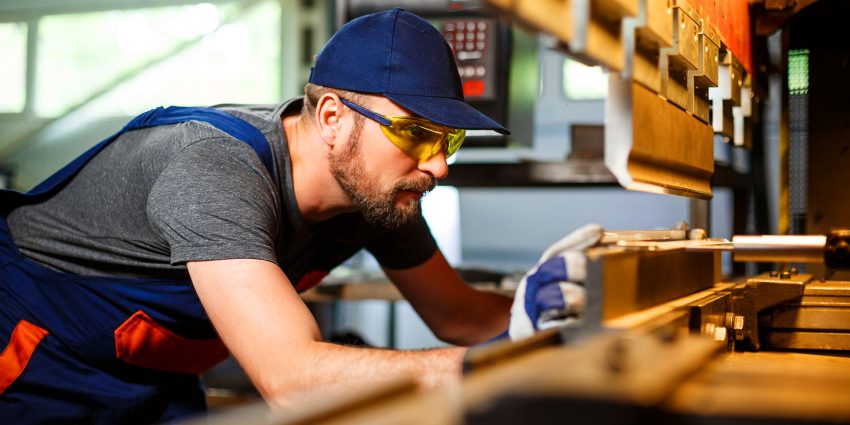
Every craftsperson remembers the moment they switched from a cheap tool to a real one. Suddenly, the work felt lighter. Cleaner. More controlled. It wasn’t magic, just better engineering, better balance, better everything.
Game-changing tools don’t shout. They simply do their job so well that everything else feels outdated. Cheap tools? They pretend. They imitate. They work until the real work starts.
So how do you tell the difference? How do you choose tools that actually elevate your craft?
Start With How a Tool Feels, Not How It Looks
Cheap tools often look impressive. Shiny finishes. Bold colors. Packaging full of promises. But the moment you pick them up, something feels off, too heavy, too light, too stiff, too awkward.
Real tools sit in your hand as they belong there. Notice:
- How balanced the tool feels mid-motion
- How natural the grip becomes after a few minutes
- How the weight is distributed during real use
- How easily the tool responds to small adjustments
- How does your hand and wrist feel afterward
Feel tells the truth long before performance numbers do.
Good Tools Reduce Effort, Cheap Tools Increase It
Expensive tools aren’t just “nicer.” They’re smarter. They’re designed to remove strain, not add to it. They glide instead of drag. They cut without hesitation. They cooperate.
Cheap tools make you work harder, more pressure, more force, more frustration. They steal energy instead of saving it. A great tool should make you think: “Oh. That’s how this job is supposed to feel.”
If it doesn’t? Move on.
Game-Changing Tools Improve Precision Instantly
Cheap tools hit the target “well enough.” Great tools hit it exactly, every time, without making you compensate for flaws.
Precision shows up in cleaner lines, smoother cuts, less vibration, fewer mistakes, and far fewer corrections. It’s not a luxury. It’s the line between work that looks polished and work that looks sloppy.
Cheap Tools Cost More Than the Price Tag
They cost time. They cost energy. They cost accuracy. They cost reputation, because the final product never looks as good as it could. And eventually they cost money, because you replace them again and again.
Quality tools pay you back with every job they complete. Cheap tools drain you slowly.
Choose Tools That Make You Better
Game-changing tools don’t just perform well. They elevate the craftsperson. They encourage smoother movement, more confidence, and sharper results. They help you work longer without fatigue. They let your skills show without interference.
Cheap tools get the job done. Great tools make the job worth doing.